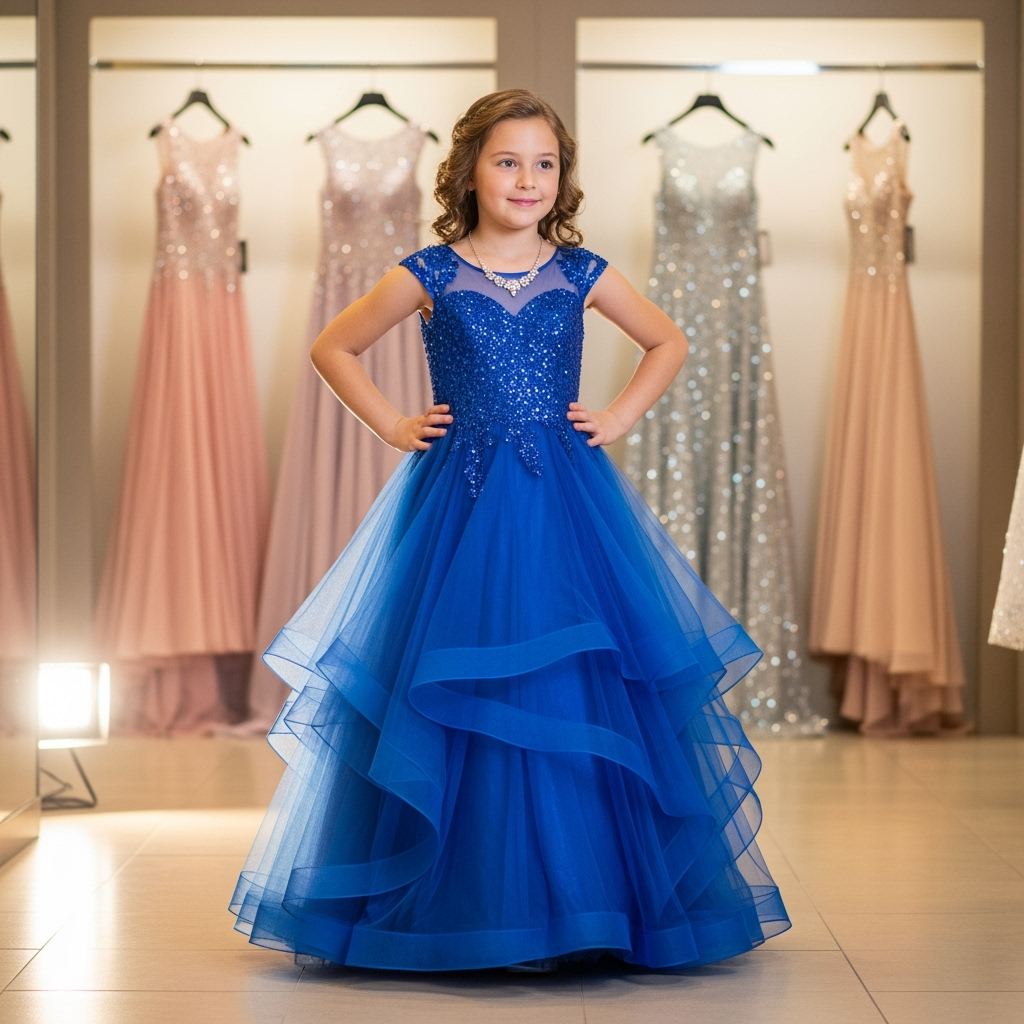
I remember the flutter of excitement the first time I helped pick a gown for a young competitor, which is why I’ve put together this hands-on guide to pageant dresses for girls. Whether you’re preparing for a local county fair, a regional competition, or just want a show-stopping dress for photos, this guide will walk you through trends, fit, and practical tips. For neighborhood and demographic trends that shape what families look for in formal kids’ wear, the U.S. Census offers helpful context about the local population and event demand at https://www.census.gov/.
Why the right pageant dress matters
A great dress does more than look pretty under the lights. It boosts confidence, supports movement, and helps judges remember a contestant for the right reasons. Young competitors need garments that balance sparkle with comfort so they can walk, turn, and smile without fidgeting or tugging at seams. In my experience, dresses that treat fit and fabric as seriously as decoration perform best on stage and in photos.
Top trends in pageant dresses for girls
Pageant styles change slowly but noticeably. Right now I’m seeing a few clear trends that matter whether you shop in the city or online: refined sparkle, mix-and-match two-piece looks, and comfortable linings that reduce irritation. Sustainable and ethically made options are also gaining attention—families increasingly want dresses that are beautiful and responsibly sourced. Here are the trends to watch:
- Subtle sparkle: clustered crystals and appliqué that catch light without overwhelming the design.
- Two-piece and convertible styles that offer versatility between rounds or for quick changes.
- Soft, breathable linings and stretch fabrics for long competition days.
- Customizable accents (sashes, detachable trains, and bows) that personalize the look.
How to choose the right silhouette
Not every silhouette suits every child’s body type or the competition format. I recommend starting with the event rules—some pageants favor classic A-line or ball gown looks, while others are open to trendier cuts. Consider these guidelines when selecting a silhouette:
- A-line: universally flattering and easy to walk in; great for younger competitors and first-time entrants.
- Ball gown: dramatic and memorable; best when supported by structured bodices to keep the dress in place.
- Fit-and-flare: modern and elegant; allows more movement and shows off shoes and posture.
- Two-piece/convertible: versatile for different rounds without needing multiple outfits.
Fabrics, embellishments, and comfort
The outer fabric gets attention, but the lining and construction determine comfort. Satin, organza, and tulle remain staples because they photograph well and hold shape. For embellishments, clustered rhinestones and lace appliqué are timeless. But avoid heavy beading across large areas; it can weigh garments down and restrict movement. Look for: a soft cotton or modal lining, reinforced seams at stress points, and stretch panels at the back to accommodate posture and movement. Breathability matters, especially for long days with hair and makeup under hot stage lights.
Practical tips for embellishments
When selecting beading and applique, check how pieces are attached. Sewn-on embellishments hold up better than glued-only decorations. If the dress has a detachable train or overskirt, confirm the fastening method—snap closures or small buttons are less likely to fail than fragile pins.
Fit and sizing: how to get it right
Fit is the single most important factor. A dress that fits well looks tailored and moves gracefully; an ill-fitting dress distracts judges and the wearer. Always measure the child wearing the underwear and shoes they’ll use in competition, because that affects length and waist position. Key measurement points include chest, waist, high hip, and full length from shoulder to floor. If you’re ordering online, check the brand’s size chart and allow room for alterations.
Fitting checklist
- Chest: snug but not restrictive, with at least one finger’s width to spare.
- Waist: sits where the child naturally bends; mark this point when she sits to ensure comfort.
- Length: floor-grazing in shoes—not trailing and not ankle-revealing.
- Straps and bodice: test a full walk and a few spins to watch for slippage or gaping.
Altering for a perfect fit
Even the best off-the-rack dresses almost always need small alterations. Plan for a seamstress who understands children’s formal wear and who can handle delicate fabrics. Typical adjustments include shortening the hem, taking in the sides, stabilizing loose straps, and reinforcing beadwork. I recommend scheduling a final fitting 3–7 days before the event so the child can break in the dress and you can handle any last-minute tweaks.
Local shopping tips for families in Houston and surrounding neighborhoods
Shopping locally lets you try on gowns, test movement, and get in-person alterations—advantages that matter more than ever for pageant wear. In Houston neighborhoods from River Oaks to The Heights and Montrose, boutique shops often carry curated selections in sizes and styles that don’t show up in big-box stores. If you live in the suburbs, local formal shops can also recommend nearby seamstresses who specialize in children’s formal alterations. When you visit a boutique, bring the exact shoes and undergarments you’ll use and budget time to walk and pose under good light.
Budgeting: how much should you spend?
Price ranges for pageant dresses for girls vary widely. Simple competition-appropriate dresses can be modestly priced, while custom gowns with heavy embellishment can cost significantly more. Think about how often the child will compete, whether the dress will be reused for photos or special events, and whether you prefer to buy new or consider resale options for outgrown formal wear. When budgeting, include alteration and preservation costs so you’re not surprised later.
Care, storage, and transportation
Proper care keeps a dress stage-ready. For many pageant dresses, dry cleaning is the safest option, especially for beading and delicate fabrics. Between rounds or events, store gowns in breathable garment bags and avoid plastic covers that trap moisture. Use padded hangers to preserve shoulder shapes and gently steam out wrinkles rather than using an iron directly on sequins or lace. For transport, pack the dress in a rolling garment bag and carry a small emergency kit with a needle and thread, safety pins, double-sided tape, and stain wipes.
What to expect at a boutique fitting
At a professional fitting you can expect a calm, organized process that helps a child feel excited instead of nervous. Staff will talk through preferred silhouettes, measure accurately, and suggest modest changes that improve comfort and stage presence. If you’re trying dresses for the first time, allow at least an hour for fitting, photos, and discussion of alteration timelines. If a boutique offers on-site alterations or can coordinate with a trusted local tailor, that’s a strong plus when you’re working on a tight schedule.
Common pain points and how to solve them
Families often face a handful of repeated issues when preparing for pageants: scratchy linings, slipping straps, and shoes that don’t match the hem. Here’s how I suggest addressing those problems quickly and effectively:
- Scratchy linings: add a soft cotton or silk camisole to reduce contact and protect the neck area.
- Slipping straps: add discreet elastic strap guards or shorten straps slightly with a seamstress.
- Length surprises: take dress length off a seam allowance rather than pinning in front for a more accurate fit.
- Over-decoration that hides personality: choose detachable accents to reveal personality without committing to a single look.
Frequently asked questions
When should I start shopping before a big pageant?
Start shopping at least 6–8 weeks before the event if you need alterations. If you’re ordering a custom dress, allow 3–4 months. This timeline creates breathing room for fittings, shipping delays, and any rework the seamstress recommends.
Are age-specific rules important?
Yes—different age groups often have specific rules about length, neckline, and ornamentation. Check your event’s guidelines before you shop. For younger girls, prioritize comfort, modesty, and flexibility to move freely.
Can older dresses be updated to match current trends?
Often yes. A skilled seamstress can add a modern sash, replace sleeves, or rework a hem to create a refreshed silhouette. When doing updates, preserve original elements that are still in good condition to keep costs down.
Two small trends to watch this season
First, breathable technical linings that wick sweat are moving from athletic wear into formal wear. These linings make a big difference in warm auditoriums. Second, mix-and-match sets let families reuse bodices or skirts across seasons, saving money while keeping the look fresh. Both trends reflect a move toward practical fashion that respects the realities of long competition days.
Final checklist before you step on stage
Use this quick list the week of the event to make sure nothing gets overlooked: confirm final fitting, check shoes and undergarments, pack emergency repair kit, and review event rules and schedule. Arrive with time to spare so your child can warm up on stage and practice a few poses in costume lighting.
Choosing a pageant dress for a girl is about balancing shine with structure, and beauty with comfort. If you follow fit-first principles, pay attention to fabrics and finishes, and plan time for professional alterations, you’ll find a dress that supports both stage presence and confidence. The right dress becomes more than clothing—it’s part of a young competitor’s story and memories.
If you’re ready to see curated selections and gowns designed for competition and formal events, I recommend visiting the boutique in person or browsing their collections online. For tailored assistance and local pick-up options, reach out to So Sweet Boutique at So Sweet Boutique and ask about girls’ pageant styles available in Houston and nearby neighborhoods.